

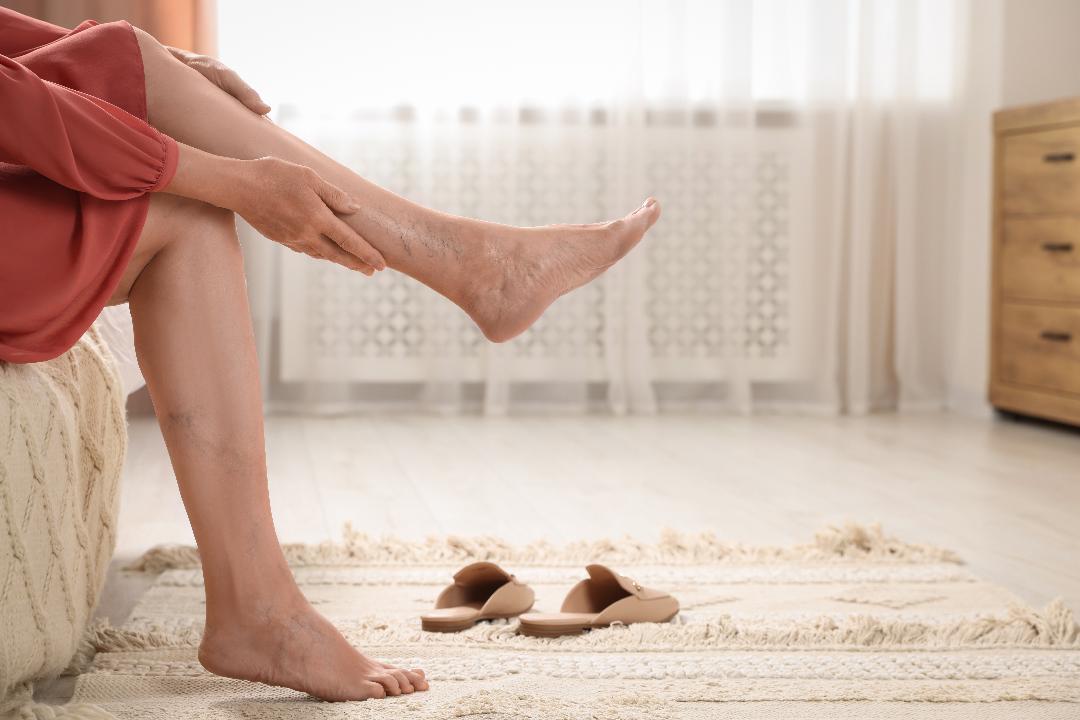

Varicose veins, a common condition affecting millions worldwide, are not just a cosmetic concern. These enlarged, twisted veins that commonly appear on the legs can cause discomfort and pose a health risk, often attributed to a sedentary lifestyle. In modern times, there has been a significant increase in the prevalence of varicose veins, mainly due to prolonged periods of inactivity, whether it is prolonged sitting at a desk, a predominantly sedentary lifestyle or a lack of regular physical activity. This condition not only affects physical health, but also raises concerns about the overall quality of life for a significant number of individuals.
When treating varicose veins, the best treatment approach depends on which parts of the venous system are affected and how severe the venous disorder is.
Most of the classic operational solutions available are complicated to perform and belong to more demanding operations. With the new CHIVA method of surgical treatment of varicose veins, this risk is reduced to a minimum with equal efficiency.
What is the CHIVA method?
CHIVA stands for Cure Conservatrice et Hémodynamique de l’Insuffisance Veineuse en Ambulatoire, which translates to ambulatory therapy for varicose veins that preserves veins and corrects blood flow. The procedure itself is performed so that the affected veins are ligated at certain points with the help of ultrasound guidance.
How does the CHIVA method work?
The basic principle of the method is to prevent diseased blood flow in the enlarged leg veins. With the CHIVA method, varicose veins are ligated in certain places so that the blood cannot flow back, thus improving symptoms and, in cases of ulcers, wound healing.
Description of the procedure?
After a detailed examination by a vascular surgeon, where Doppler ultrasound is used, the surgeon determines in which places the veins will be ligated and draws up the operation plan itself. The procedure can be performed under local or general anesthesia, depending on the complexity of the varicose veins. After accessing the veins, the surgeon accesses the veins through a small incision and surgically ligates them,
For whom is CHIVA method therapy suitable?
The CHIVA method is an ideal solution for patients with varicose veins (venous insufficiency). Small and large superficial veins can be corrected with the mentioned method.
Advantages and disadvantages
The CHIVA method is a minimally invasive approach and thus belongs to the safest operations available for removing veins without scars and the risk of infection. Symptoms such as swollen legs, calf cramps, and a feeling of pressure subside quickly, while cosmetic effects require a longer period.
